
Why Travel to West India on a Private Tour?
West India is India's most commercially energetic and culturally diverse region — three states that share a coastline but almost nothing else. Maharashtra offers the megacity of Mumbai and the extraordinary UNESCO rock-cut caves of Ajanta and Ellora; Goa folds Portuguese colonial architecture into a landscape of beaches, spice plantations, and fishing villages; Gujarat is the country's most underrated state — a place of tribal craft traditions, Jain pilgrimage cities, the world's last wild Asiatic lions, and the vast white salt desert of the Rann of Kutch, one of the most otherworldly landscapes on earth.
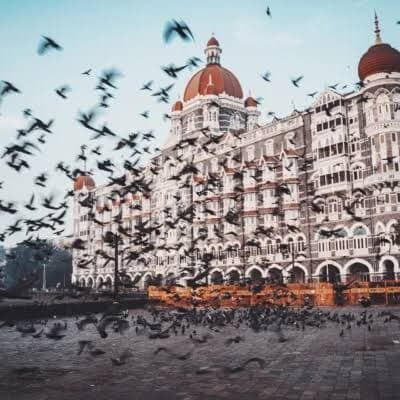
At Indus Bound, we have been designing private tours to West India since 2011. Our Gujarat itinerary — nineteen days covering Ahmedabad, the Little Rann of Kutch at Dasada, Bhuj's tribal craft villages, Sasan Gir Forest for Asiatic lion safaris, and the extraordinary Jain temple city of Palitana — is one of the most detailed and personally researched itineraries in our portfolio. We know which craft communities in the Rann of Kutch produce the finest embroidery, which morning light falls best on the Ajanta cave murals, and which room at the Taj Mahal Palace in Mumbai looks directly onto the Gateway of India. That knowledge comes from being here repeatedly, over many years.
A private West India tour with Indus Bound means your own vehicle and driver throughout, specialist local and naturalist guides at each destination, and accommodation chosen from properties we have personally inspected — from Mumbai's landmark colonial hotels to intimate Goan heritage villas and Gujarat's finest wildlife lodges. Every itinerary is designed around your travel dates, interests, and pace.
Our West India tours cover Mumbai, Aurangabad, Ajanta, Ellora, Goa, Ahmedabad, Dasada, Bhuj, Sasan Gir, Palitana, Gondal, and Vadodara. Our itineraries are starting points — every journey begins with a conversation.
Top Things to do West India
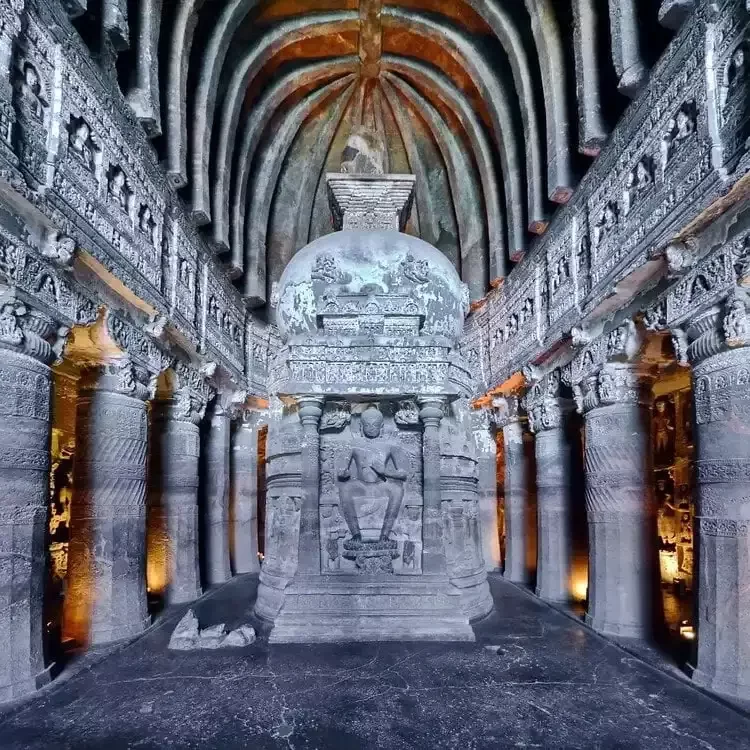
- Explore the UNESCO rock-cut caves of Ajanta and Ellora — the thirty Buddhist cave temples of Ajanta, carved and painted between the 2nd century BCE and 6th century CE, contain the finest surviving examples of ancient Indian mural painting in existence. Ellora's thirty-four caves — Buddhist, Hindu, and Jain — were carved across five centuries and include the monolithic Kailash Temple, hewn from a single basalt cliff face. Both are UNESCO World Heritage Sites. Visit Ajanta in the morning when the light enters the cave mouths at the angle the craftsmen intended.
- Discover Mumbai's colonial and cosmopolitan character — the Gateway of India arch at the harbour front, the Victorian Gothic facades of the Chhatrapati Shivaji Maharaj Terminus and the High Court, the Crawford Market, and the art deco promenade of Marine Drive make Mumbai one of Asia's most architecturally layered cities. The Dharavi neighbourhood offers an extraordinary community tour; the Kala Ghoda arts quarter and the Colaba Causeway complete one of India's finest urban half-days.
- Lion safari in Sasan Gir, Gujarat— the Gir Forest National Park is the only place on earth where Asiatic lions survive in the wild. The population, painstakingly rebuilt from fewer than twenty individuals in the early 20th century to over 600 today, is one of conservation's great success stories. Morning jeep safaris in the dry teak forest produce sightings with remarkable regularity — Gir lions are habituated to vehicles and often dramatically close.
Top Destinations in West India
Mumbai
Mumbai offers a high-energy mix of grand colonial architecture, historic landmarks like the Gateway of India, Elephanta Caves, bustling street markets, Bollywood Studios, coastal drives, and legendary street food.
Featured West India Tour Itineraries
West India does not resolve into a single journey — it is three destinations with three distinct characters, and the right itinerary depends entirely on what draws you to the region. Gujarat alone justifies nineteen days if you want to travel it properly: the UNESCO old city of Ahmedabad, the salt desert and craft villages of Kutch, Asiatic lion safaris in Sasan Gir, and the extraordinary Jain temple mountain at Palitana are experiences found nowhere else in India. Maharashtra offers the rock-cut UNESCO caves of Ajanta and Ellora alongside the cosmopolitan energy of Mumbai. Goa rewards those who stay long enough to find the old Portuguese quarter, the spice plantations, and the quieter stretches of the northern and southern coast.
The itineraries below offer two routes through this diversity. Both are starting points — we design every West India journey around your specific interests, whether that means more time in the Rann of Kutch, a dedicated Goa colonial heritage extension, or a combined Gujarat and Rajasthan circuit.
Highlights of Gujarat
India's most underrated state on a comprehensive private journey - Ahmedabad's UNESCO stepwells and textile heritage, Dasada's Little Rann wildlife sanctuary for the Indian wild ass, Palitana's extraordinary Jain temples, Gir Forest for Asiatic lions, and Bhuj's vibrant tribal craft traditions.
19 days from USD 1550 Per Person*
Treasures of Central India
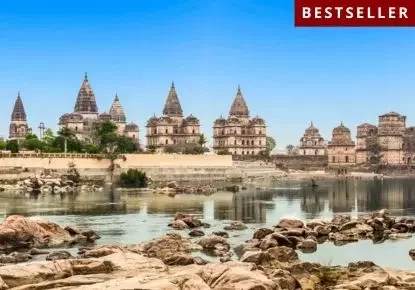
India's most historically layered private journey — the Taj Mahal, UNESCO prehistoric rock art at Bhimbetka, the ruined Afghan city of Mandu, and the breathtaking rock-cut Buddhist and Hindu caves of Ajanta and Ellora. From Delhi to Mumbai through India's ancient, rarely visited heart.
14 days from USD 1380 Per Person*
Traveller Reviews & Stories
Our guests seem happy to tell us about their experience and we are happy to share their thoughts with you.
When is the Best Time to Visit West India?
October - February:
The finest window across all of West India. Goa's beaches and colonial sites are at their best — clear seas, warm evenings, and the old quarter of Panaji and Fontainhas at their most photogenic. Gujarat's wildlife season opens in Sasan Gir from mid-October; the Little Rann of Kutch is accessible and the Rann Utsav festival runs from November through February, transforming the salt desert into a cultural celebration of extraordinary colour. Ajanta and Ellora are comfortably visited throughout this period.
March - April:
Still excellent for Gujarat and Maharashtra. Sasan Gir lion sightings peak as vegetation thins. Mumbai and Aurangabad are warm but manageable. Goa begins to thin out after March — a quieter, more local experience for travellers who prefer it.
June 16 – October 15 (Gir Closed):
The Gir Forest closes for the monsoon season. Goa transforms in the rains — intensely green, dramatically atmospheric, and considerably cheaper. The Ajanta and Ellora caves are accessible year-round and best visited in the early morning throughout. Gujarat's Kutch region is best avoided in the peak monsoon months.
May:
Very hot across all three states — Mumbai and Ahmedabad reach 35–40°C. Hill stations above Pune and Mahabaleshwar offer relief. Generally best avoided unless combining with hill destinations.
West India Travel — Frequently Asked Questions
Why travel with Indus Bound?

Tailor-made Holidays
Your holiday is designed around your requirements. Explore your interests at your own pace & have as much flexibility as possible on your holiday with us

Expert Knowledge
Our experts are native of their regions. They ensure making the most of your time & budget. The same specialist will handle your holiday from start to finish

Authentic Experiences
Travel to India beyond usual brochures. Understand the destinations by going beyond sightseeing and indulge in rare & immersive experiences

Safety & Support
We ensure a hassle-free and safe experience on our trips. You’ll also have a personal and dedicated trip coordinator, backed by 24/7 support