

Luxury Delhi Private Tours
Discover Delhi through tailor-made private tours that combine the capital's extraordinary history, grand architecture, vibrant markets, diverse culinary traditions and fascinating cultural heritage.
From the Mughal splendour of Old Delhi and the bustling lanes of Chandni Chowk to the elegant boulevards, grand landmarks and leafy avenues of New Delhi, experience India's capital at a pace that suits you. Travel with expert local guides and a private chauffeur, while enjoying carefully selected experiences, handpicked hotels and thoughtful recommendations shaped around your interests. Whether Delhi is your first introduction to India, the beginning of a Golden Triangle journey or part of a wider North India adventure, we create a seamless and enriching experience that goes beyond the city's famous sights.
Top Places to Visit in Delhi
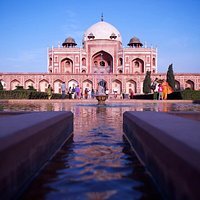
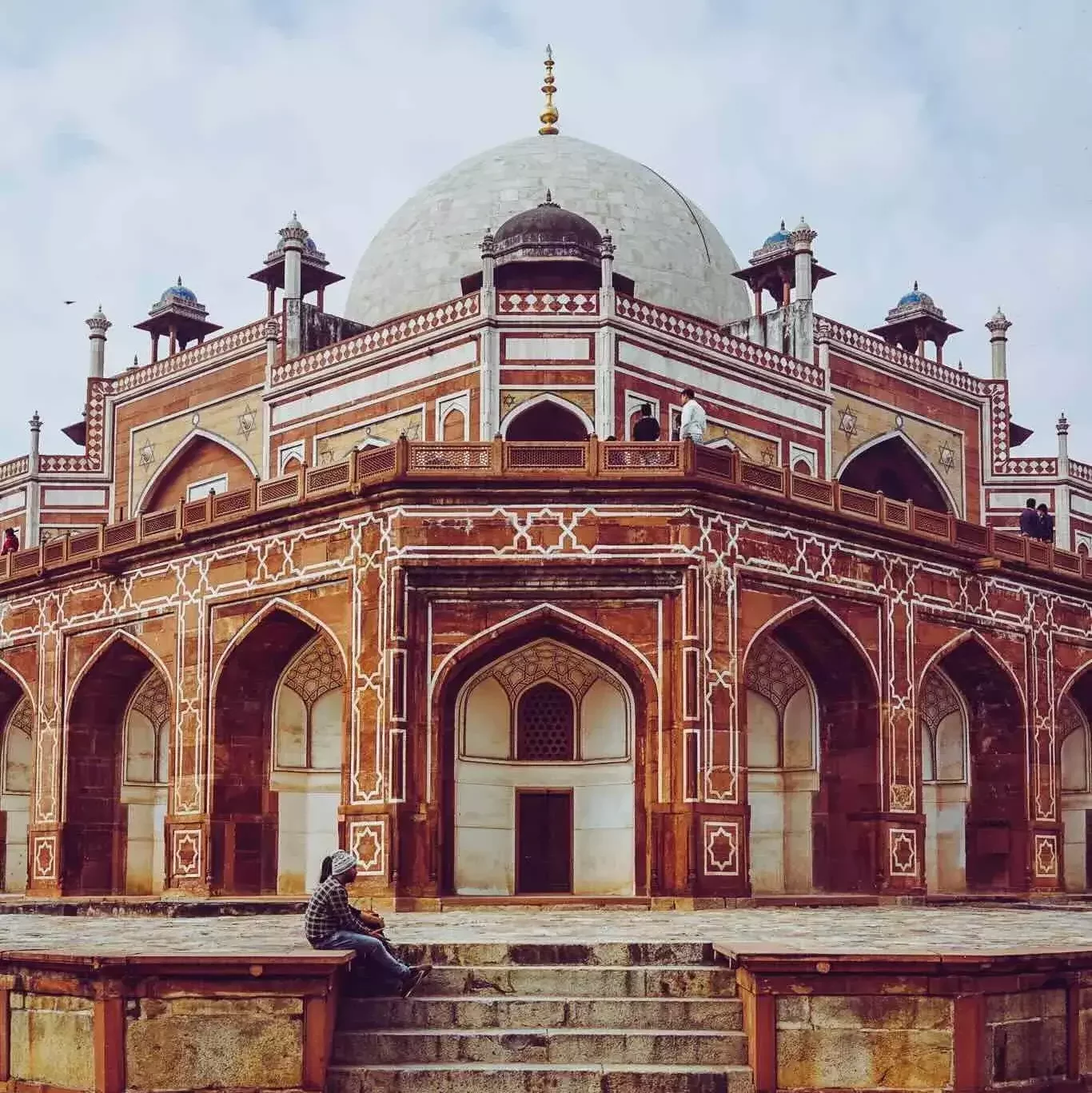
Humayun's Tomb
Humayun's Tomb, a UNESCO World Heritage Site, is one of Delhi's finest examples of early Mughal architecture. Built in the 16th century as the tomb of Emperor Humayun, its elegant garden setting, red sandstone façades and white marble details established a style that would later reach its most celebrated expression in the Taj Mahal. The monument offers a fascinating introduction to Delhi's Mughal heritage.
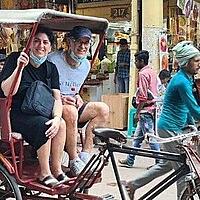
Old Delhi (Chandni Chowk Market)
In our present mindset, Chandni Chowk is known for its markets and bazaars. Four hundred years ago in Mughal India, Chandni Chowk was an aristocratic urban city with grand havelis, water canals, and gorgeous wide boulevards flanked by trees. Discover these hidden havelis, and stories of people who once lived here over a cup of tea. Take a Rickshaw Ride here to explore.
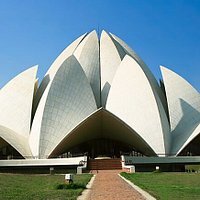
Lotus Temple
The Lotus Temple is one of Delhi's most distinctive modern landmarks, renowned for its striking white marble architecture inspired by the form of a lotus flower. Open to people of all faiths, the Baháʼí House of Worship offers a peaceful contrast to the city's historic monuments. Surrounded by landscaped gardens, it is particularly appealing to travellers interested in architecture, spirituality and contemporary Delhi.
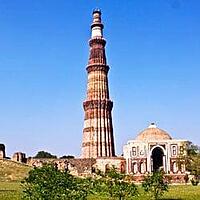
Qutab Minar
Qutab Minar, a UNESCO World Heritage Site, is one of Delhi’s most remarkable monuments. Rising nearly 73 metres, this magnificent sandstone and marble tower was begun by Qutb-ud-din Aibak in 1199 and completed by his successors. Its intricately carved inscriptions and surrounding historic ruins reflect Delhi’s early Islamic architecture, offering a fascinating glimpse into the city’s medieval past.
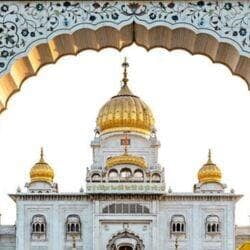
Bangla Sahib Sikh Temple
Gurudwara Bangla Sahib is one of Delhi’s most revered Sikh shrines, known for its peaceful atmosphere, distinctive golden dome and tradition of welcoming everyone. A highlight is the community kitchen, or langar, where volunteers prepare and serve free meals to thousands of visitors regardless of faith or background. Visiting offers a meaningful insight into Sikh values of service, equality and generosity.
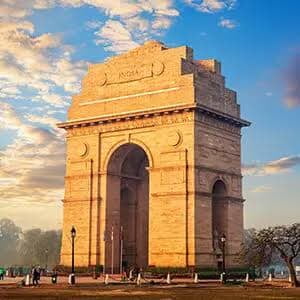
India Gate & President House
Drive along Delhi’s grand ceremonial avenue to see India Gate and Rashtrapati Bhavan, two of the capital’s most recognisable landmarks. The route offers a striking contrast between the solemn memorial of India Gate and the imposing grandeur of the former Viceroy’s House. With its broad avenues, landscaped gardens and monumental architecture, this drive provides a memorable introduction to New Delhi’s historic heart.
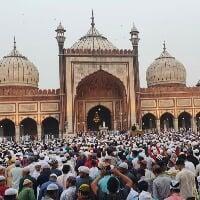
Jama Mosque
Step into an architectural marvel as you enter Jama Masjid, an iconic mosque that showcases the grandeur and opulence of Mughal India. This breathtaking structure, among India's largest in terms of size, will enchant with its intricate design and beautiful aesthetics - its towering minarets, intricately carved walls and marble domes.
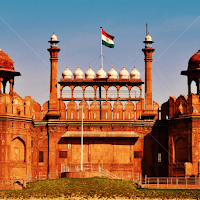
Red Fort
The Red Fort, a UNESCO World Heritage Site, is one of Delhi’s most iconic landmarks and a magnificent example of Mughal architecture. Built by Emperor Shah Jahan in 1648, its imposing red sandstone walls enclose elegant palaces, audience halls, gardens and gateways. Once the heart of Mughal power, the fort became a symbol of India’s independence.
"We recommend exploring Chandni Chowk with a private local guide in the morning, when the historic lanes are particularly atmospheric and before the markets become at their busiest. A short cycle-rickshaw ride can be combined with visits to historic havelis, traditional bazaars and carefully selected local food stops, offering a more personal perspective on one of Delhi’s most fascinating neighbourhoods."
Our Recommended Hotels in Delhi
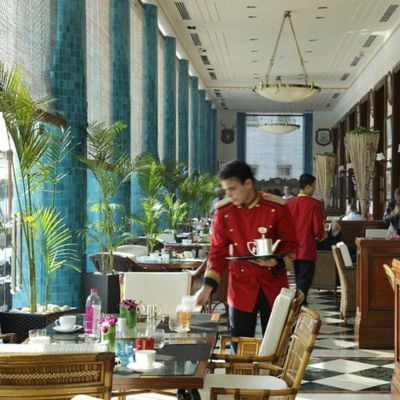
The Imperial
New Delhi
OPULENT, HERITAGE
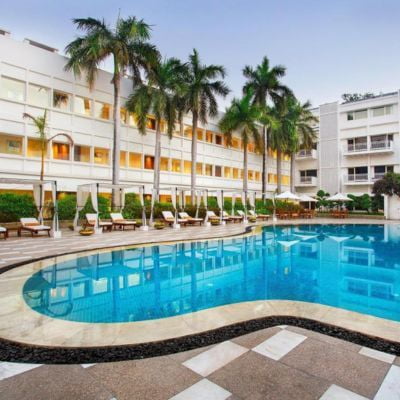
The Claridges
New Delhi
FIRST CLASS, HERITAGE
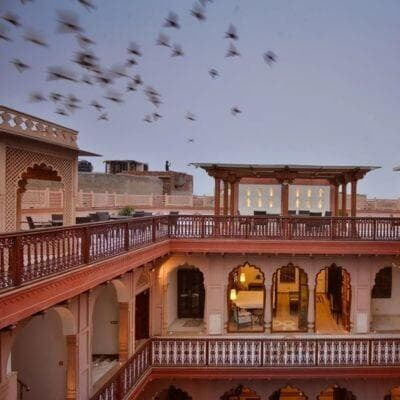
Haveli Dharampura
New Delhi
MID RANGE, HERITAGE
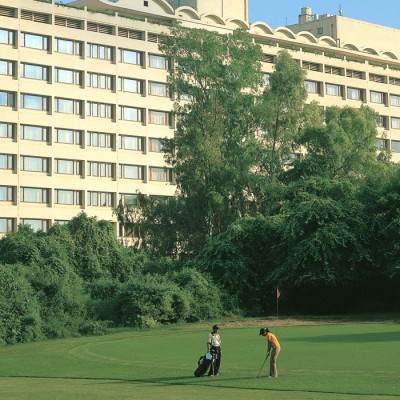
The Oberoi
New Delhi
OPUMENT
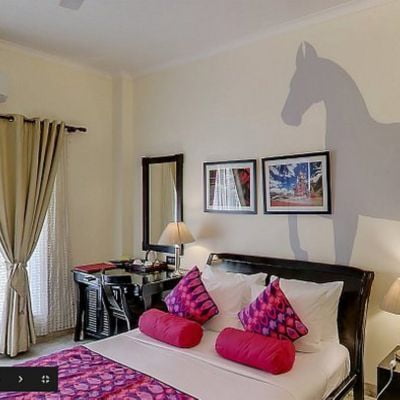
Colonels Retreat
New Delhi
BASIC, B&B
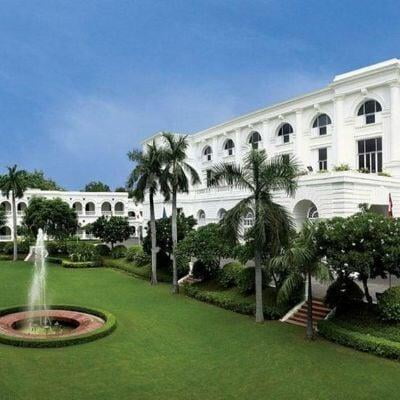
The Maidens
New Delhi
MID RANGE, HERITAGE
Start Planning Your Journey
Every itinerary we create is tailored entirely around you.
Share your travel ideas with our specialists, and we'll design a bespoke journey with personalised recommendations, handpicked stays, and a transparent quotation.
